Citi KYC Studio
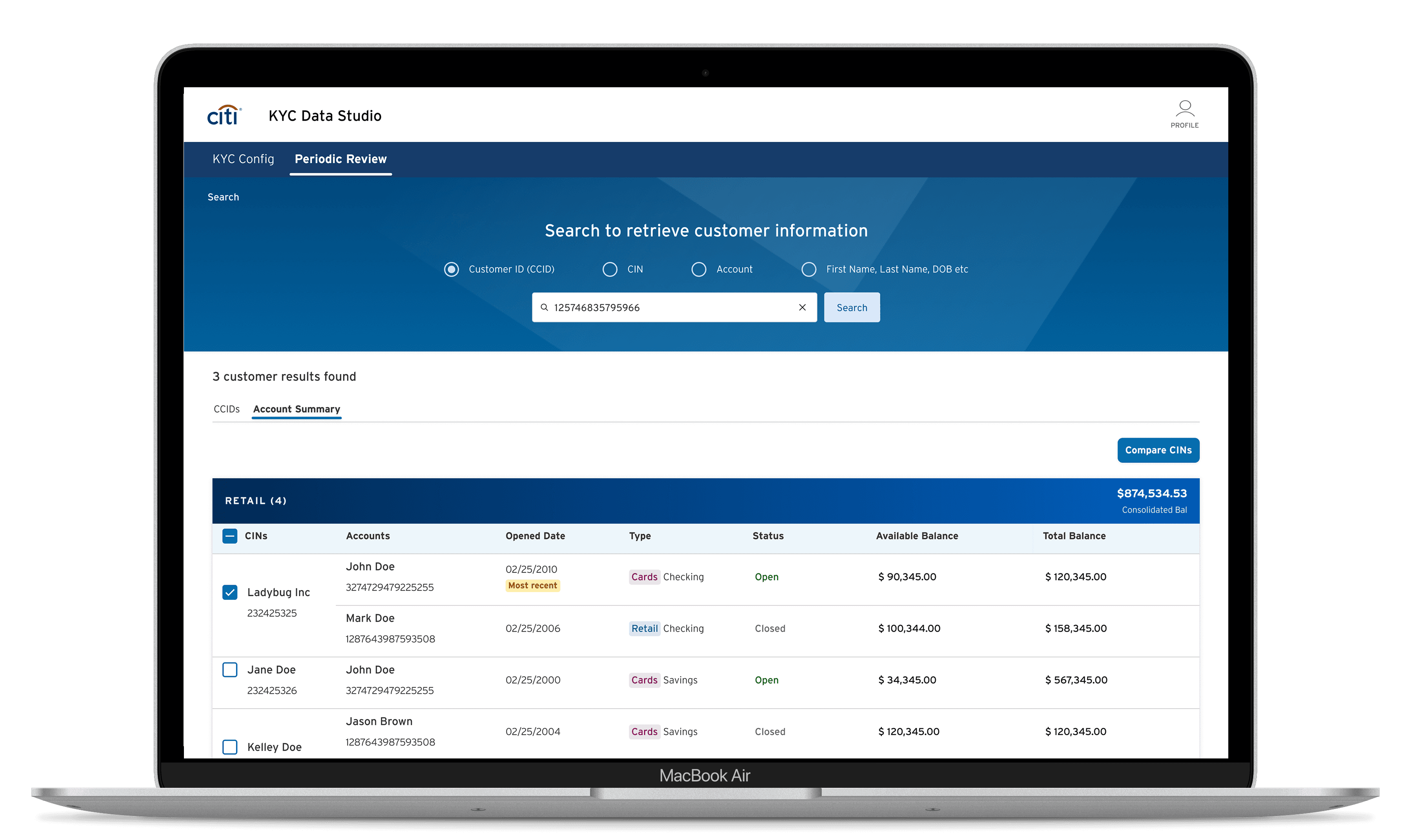
At Citi, the small business verification team was really struggling. Their officers were spending too much time bouncing between different computer systems, manually checking if businesses were legitimate, and making sure everything met compliance rules. It was a chaotic process that needed to be fast and accurate, but it was anything but. My project wasn't just about making another 'Know Your Customer' tool. It was about giving these verification officers back control, making their work simpler, and helping them do their jobs more efficiently.
Role
Lead Product Designer
year
2025
Tags
Design, Research, B2B, Design System
Overview
The Human Problem
Meet Ravi, a verification officer at Citi. Imagine starting your day with a mountain of alerts, only to find that the information you need is scattered across five different systems, and most of it is outdated. That was Ravi's reality.
When he needed to verify even the simplest details for a small business client, his process looked something like this:
He'd have to cross-check multiple internal systems.
Then, he'd email or call the client directly, waiting for them to get back to him.
Finally, he'd have to manually update each and every platform with the new information.
What should have taken just a few minutes often stretched into hours. To make things worse, there was no consistent way of doing things. Every case was different, and tracking progress was a mess, leading to serious worries about compliance. This wasn't just Ravi's personal headache; it was a systemic issue affecting the entire team.
The Real Challenges Faced
We quickly identified the core problems that were making life so difficult for officers like Ravi:
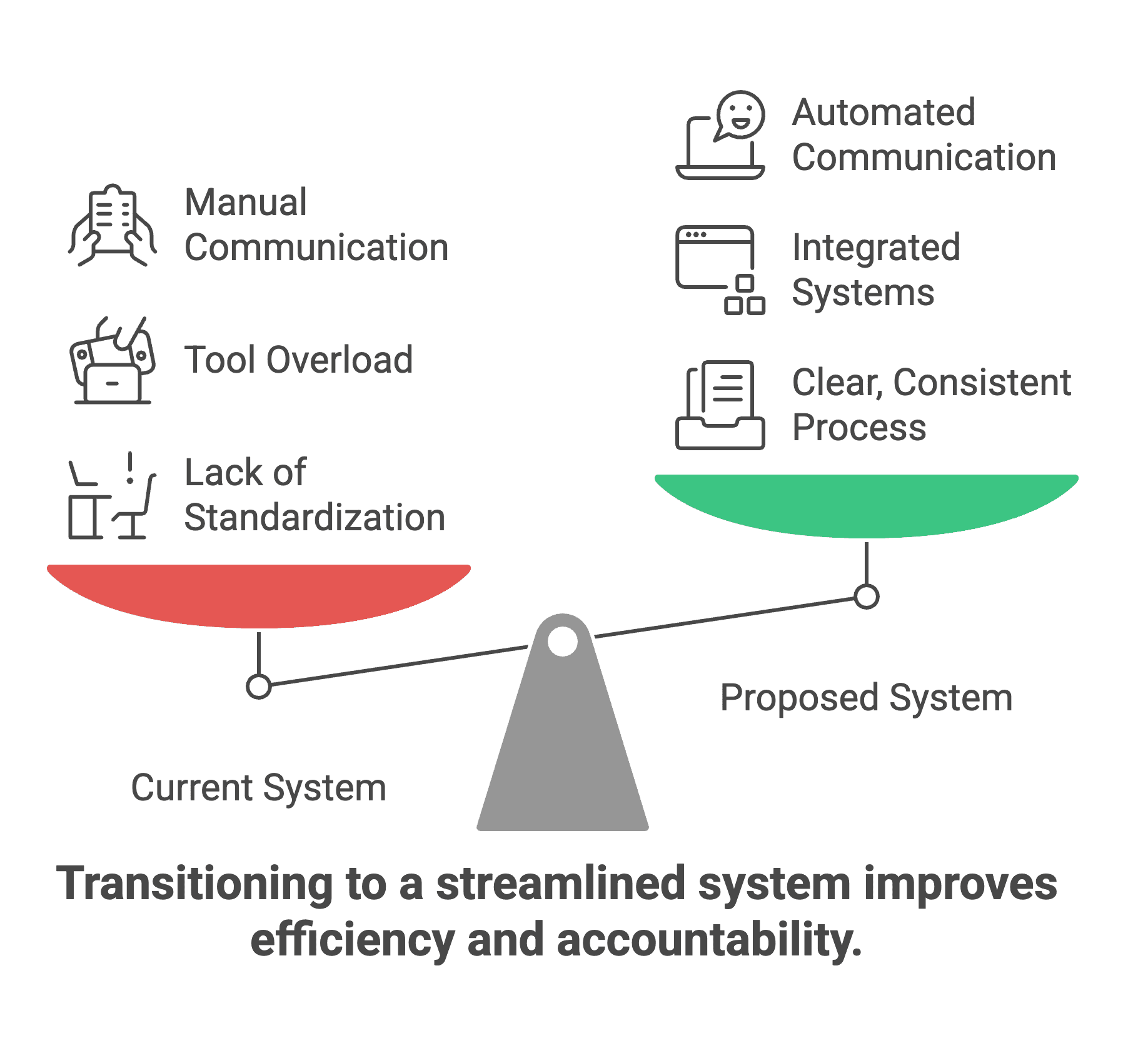
No standardization: People relied on informal "tribal knowledge" and their own workarounds instead of a clear, consistent process.
Tool overload: Officers had to jump between 3 to 5 disconnected systems just to handle a single update.
Manual communication: Verifying data meant leaving the system, sending emails, and waiting for replies, which was a huge time sink.
Audit risk: Inconsistent logging meant it was hard to tell who did what, leading to potential accountability issues during audits.
Our Approach
🔧 Our Solution: Introducing KYC Studio
Our answer to these challenges was KYC Studio, a smart, centralized platform designed to make business verification simple and fast. We weren't just adding another piece of tech; we were creating a tool that would truly change how verification officers like Ravi worked.
Here’s what made KYC Studio a game-changer:
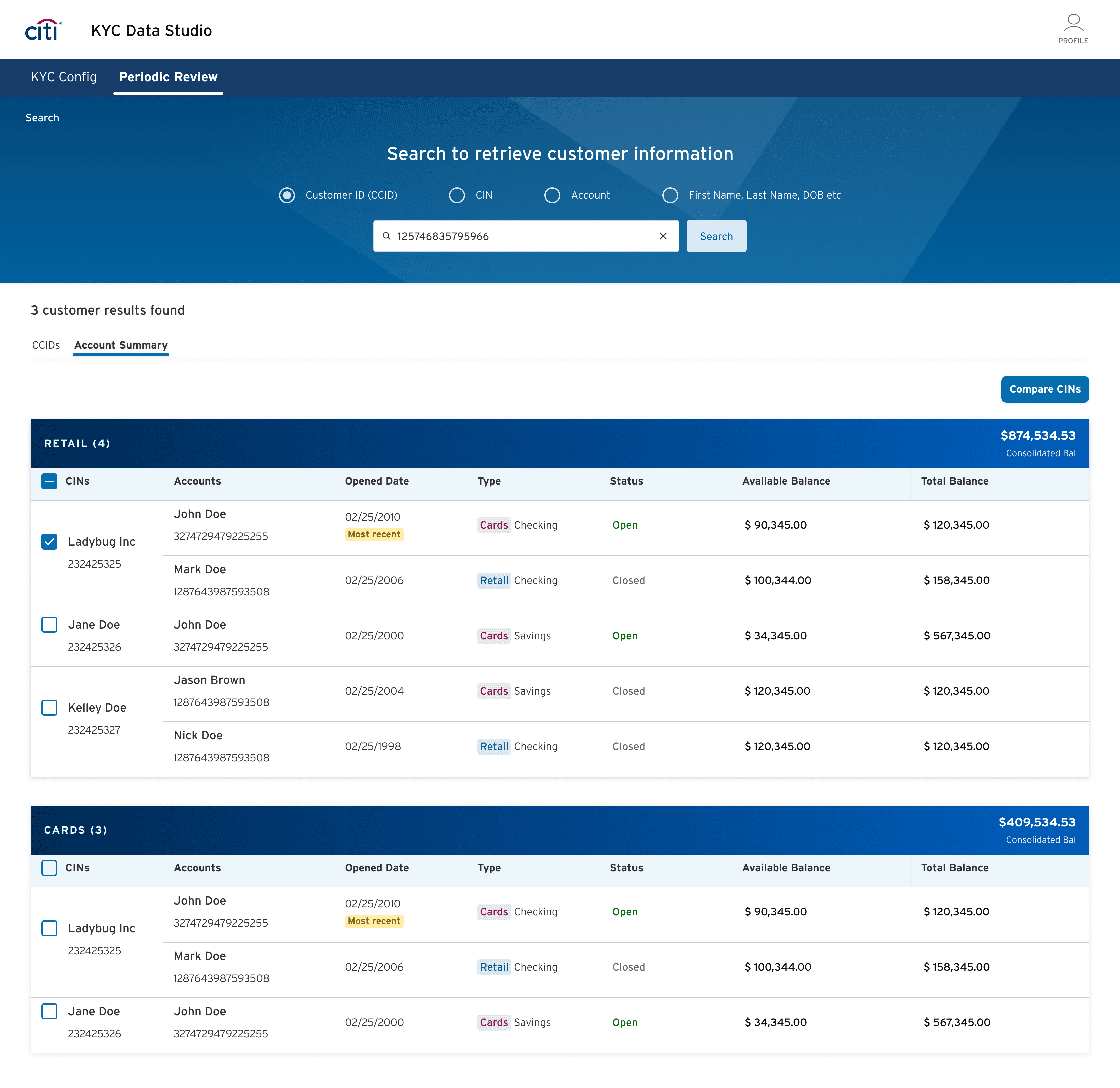
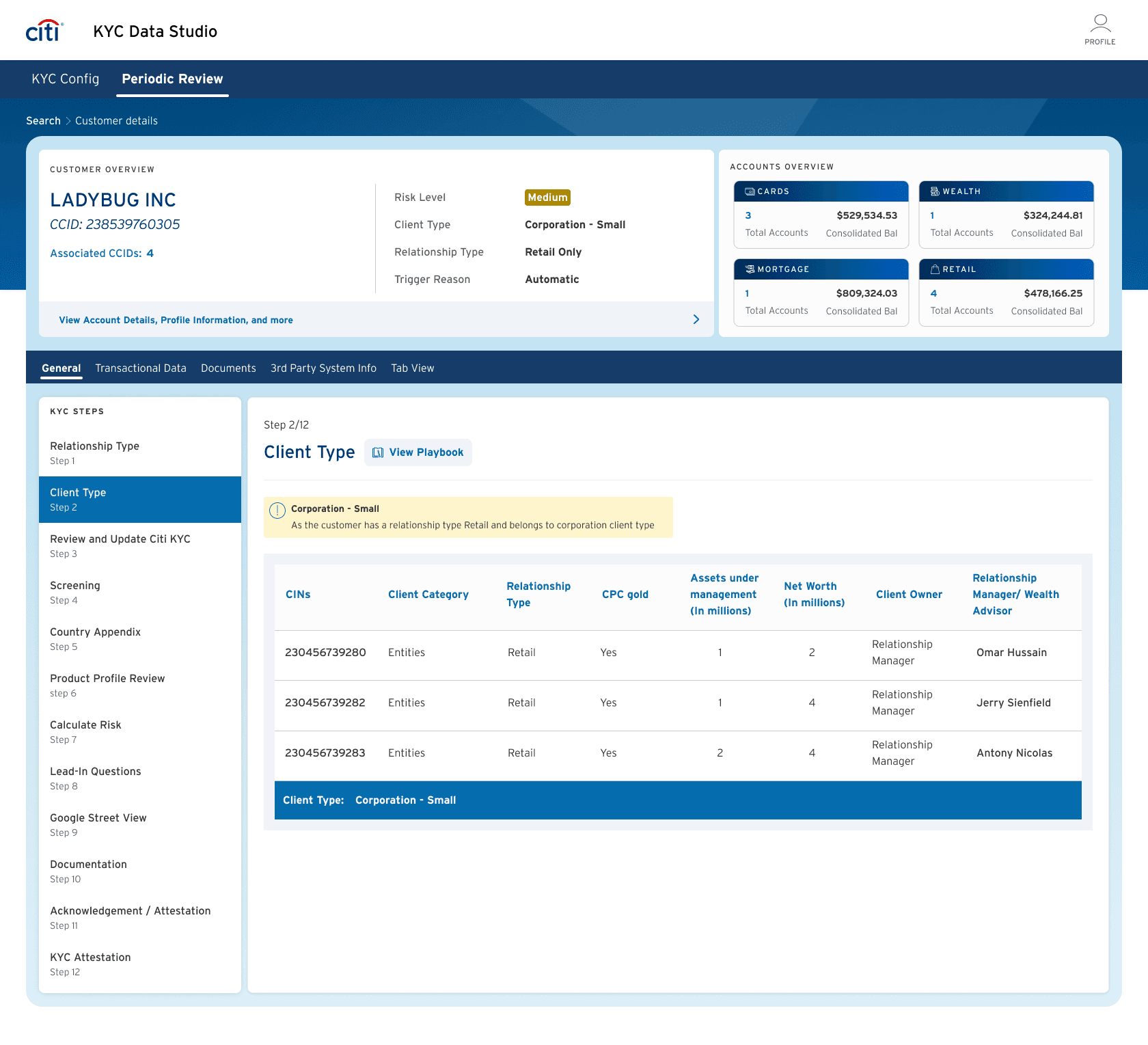
🧠 Unified View: Instead of juggling multiple systems, all the necessary business data was pulled together into one clear, easy-to-read dashboard. No more tab-switching!
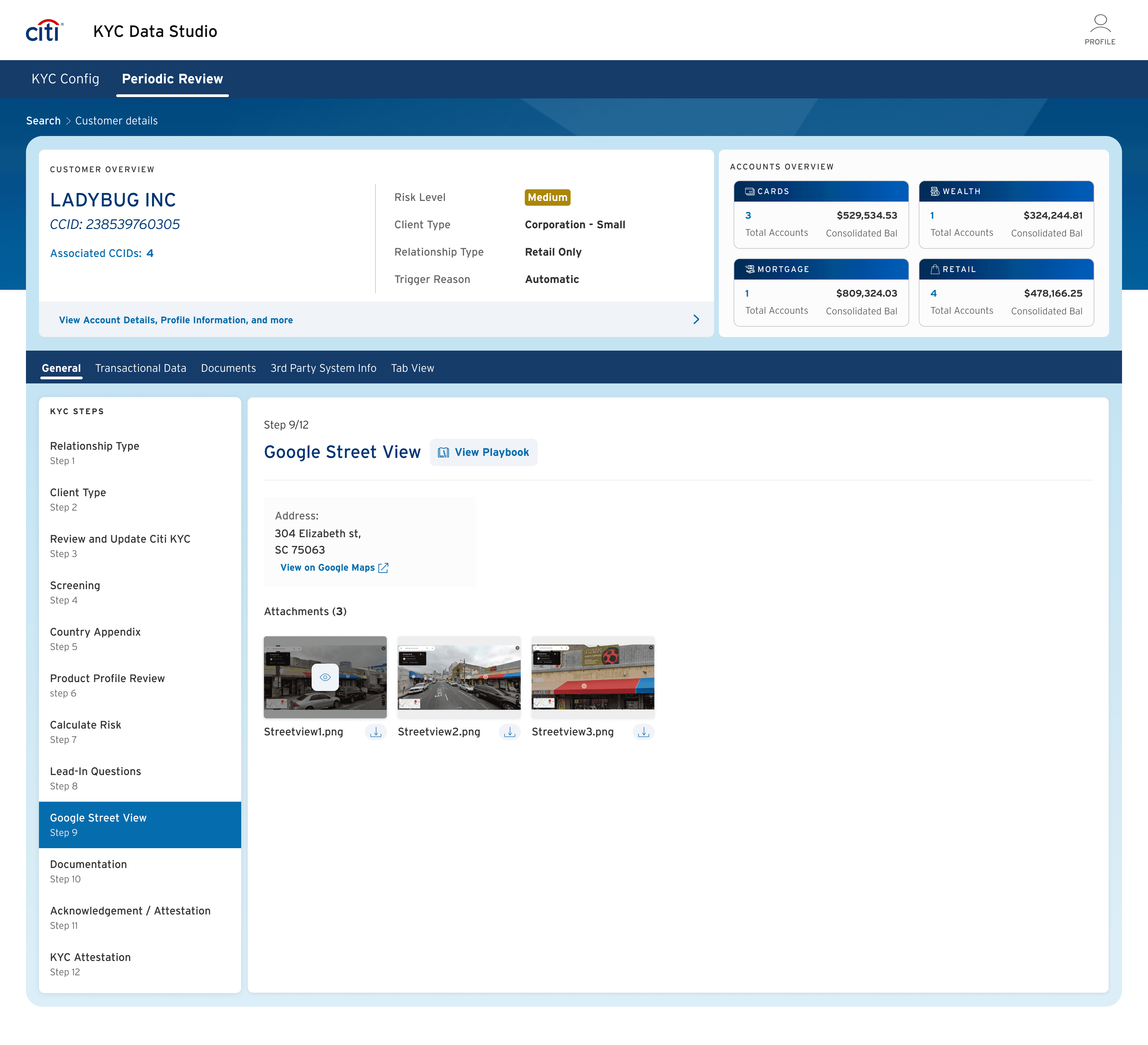
🔍 AI-Assisted Research: The system could automatically find and bring up data from public sources like Google, business directories, and even online reviews. This meant less manual searching for officers.
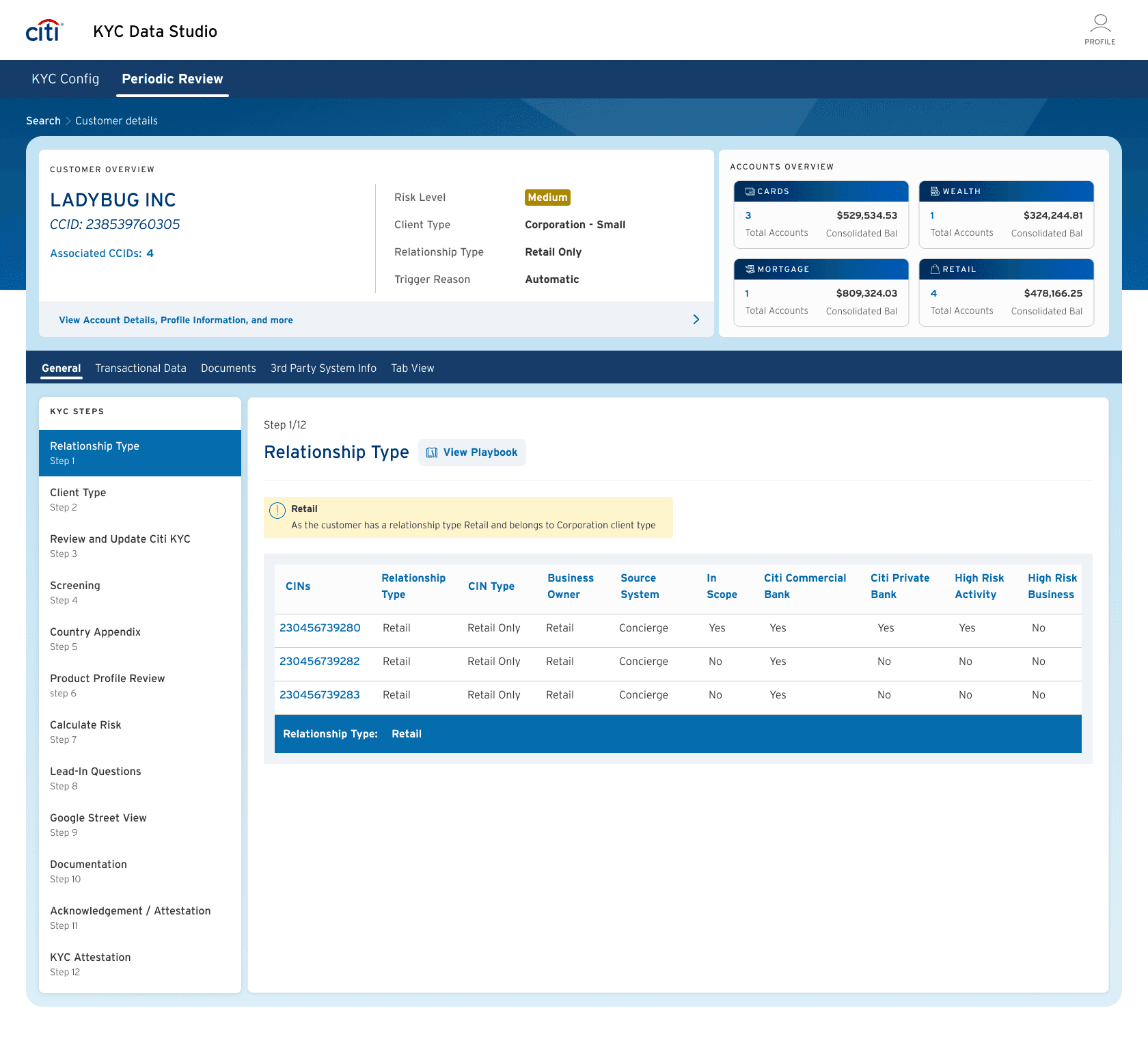
📌 Operational Insights: Officers could instantly see key information about a business, like whether it was still active, had a valid public listing, or recent customer reviews.
Ultimately, KYC Studio was built to directly address Ravi's daily pain points. It was about giving him, and the entire team, a single, smart place to get their work done, rather than making them bounce between systems every few minutes.
My Role and Results
🧠 My Role & Design Process
As the Product Designer on this project, my main goal was to take those tangled workflows and transform them into one smooth, intuitive experience.
Immersive Research
I started by truly understanding Ravi's world. I shadowed officers in different regions and meticulously mapped out their decision-making process and everyday struggles. This deep dive revealed a crucial insight: a whopping 80% of delays were caused by constantly switching between different tasks and waiting for client responses.
Cross-Functional Workshops
Next, I brought everyone to the table. I co-created workflows with the product, engineering, and risk teams. These workshops were essential for clarifying all the non-negotiables, especially what we needed for robust audit and compliance tracking.
Rapid Iteration
With a clear understanding of the problem and technical needs, it was time to get creative. I sketched out user journeys to ensure everyone on the team was on the same page. We then quickly built and tested multiple low-fidelity prototypes to quickly validate our assumptions and ideas.
High-Fidelity Design
Finally, I crafted the polished interface. This high-fidelity design allowed Ravi to:
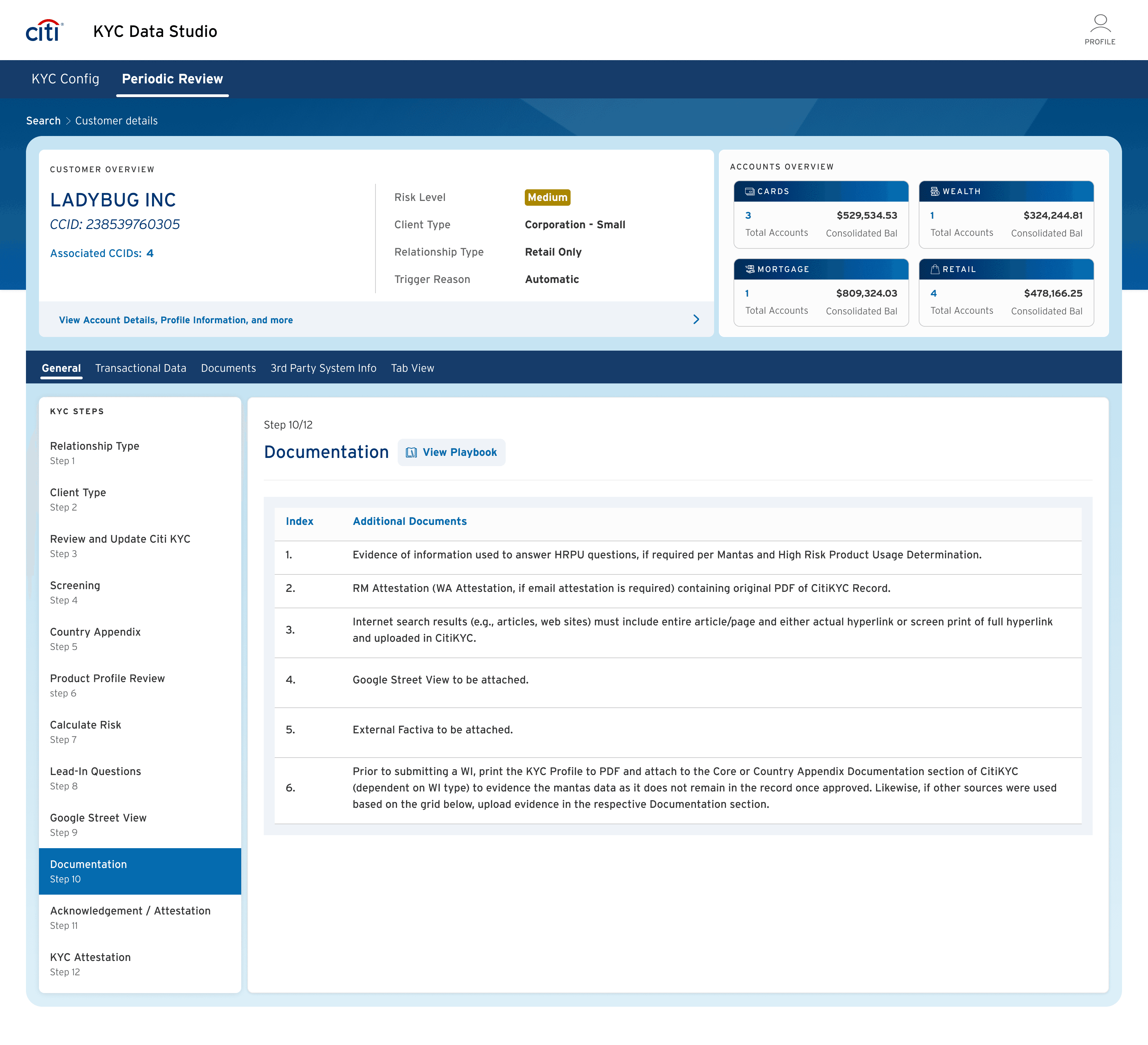
View, verify, and update all business information from a single screen.
Trigger automated outreach or accept AI-suggested actions to speed up his work.
Track every change with built-in compliance logs, ensuring accountability and peace of mind.
Citi KYC Studio
At Citi, the small business verification team was really struggling. Their officers were spending too much time bouncing between different computer systems, manually checking if businesses were legitimate, and making sure everything met compliance rules. It was a chaotic process that needed to be fast and accurate, but it was anything but. My project wasn't just about making another 'Know Your Customer' tool. It was about giving these verification officers back control, making their work simpler, and helping them do their jobs more efficiently.
Role
Lead Product Designer
year
2025
Tags
Design, Research, B2B, Design System
Overview
The Human Problem
Meet Ravi, a verification officer at Citi. Imagine starting your day with a mountain of alerts, only to find that the information you need is scattered across five different systems, and most of it is outdated. That was Ravi's reality.
When he needed to verify even the simplest details for a small business client, his process looked something like this:
He'd have to cross-check multiple internal systems.
Then, he'd email or call the client directly, waiting for them to get back to him.
Finally, he'd have to manually update each and every platform with the new information.
What should have taken just a few minutes often stretched into hours. To make things worse, there was no consistent way of doing things. Every case was different, and tracking progress was a mess, leading to serious worries about compliance. This wasn't just Ravi's personal headache; it was a systemic issue affecting the entire team.
The Real Challenges Faced
We quickly identified the core problems that were making life so difficult for officers like Ravi:
No standardization: People relied on informal "tribal knowledge" and their own workarounds instead of a clear, consistent process.
Tool overload: Officers had to jump between 3 to 5 disconnected systems just to handle a single update.
Manual communication: Verifying data meant leaving the system, sending emails, and waiting for replies, which was a huge time sink.
Audit risk: Inconsistent logging meant it was hard to tell who did what, leading to potential accountability issues during audits.
Our Approach
🔧 Our Solution: Introducing KYC Studio
Our answer to these challenges was KYC Studio, a smart, centralized platform designed to make business verification simple and fast. We weren't just adding another piece of tech; we were creating a tool that would truly change how verification officers like Ravi worked.
Here’s what made KYC Studio a game-changer:
🧠 Unified View: Instead of juggling multiple systems, all the necessary business data was pulled together into one clear, easy-to-read dashboard. No more tab-switching!
🔍 AI-Assisted Research: The system could automatically find and bring up data from public sources like Google, business directories, and even online reviews. This meant less manual searching for officers.
📌 Operational Insights: Officers could instantly see key information about a business, like whether it was still active, had a valid public listing, or recent customer reviews.
Ultimately, KYC Studio was built to directly address Ravi's daily pain points. It was about giving him, and the entire team, a single, smart place to get their work done, rather than making them bounce between systems every few minutes.
My Role and Results
🧠 My Role & Design Process
As the Product Designer on this project, my main goal was to take those tangled workflows and transform them into one smooth, intuitive experience.
Immersive Research
I started by truly understanding Ravi's world. I shadowed officers in different regions and meticulously mapped out their decision-making process and everyday struggles. This deep dive revealed a crucial insight: a whopping 80% of delays were caused by constantly switching between different tasks and waiting for client responses.
Cross-Functional Workshops
Next, I brought everyone to the table. I co-created workflows with the product, engineering, and risk teams. These workshops were essential for clarifying all the non-negotiables, especially what we needed for robust audit and compliance tracking.
Rapid Iteration
With a clear understanding of the problem and technical needs, it was time to get creative. I sketched out user journeys to ensure everyone on the team was on the same page. We then quickly built and tested multiple low-fidelity prototypes to quickly validate our assumptions and ideas.
High-Fidelity Design
Finally, I crafted the polished interface. This high-fidelity design allowed Ravi to:
View, verify, and update all business information from a single screen.
Trigger automated outreach or accept AI-suggested actions to speed up his work.
Track every change with built-in compliance logs, ensuring accountability and peace of mind.
Citi KYC Studio
At Citi, the small business verification team was really struggling. Their officers were spending too much time bouncing between different computer systems, manually checking if businesses were legitimate, and making sure everything met compliance rules. It was a chaotic process that needed to be fast and accurate, but it was anything but. My project wasn't just about making another 'Know Your Customer' tool. It was about giving these verification officers back control, making their work simpler, and helping them do their jobs more efficiently.
Role
Lead Product Designer
year
2025
Tags
Design, Research, B2B, Design System
Overview
The Human Problem
Meet Ravi, a verification officer at Citi. Imagine starting your day with a mountain of alerts, only to find that the information you need is scattered across five different systems, and most of it is outdated. That was Ravi's reality.
When he needed to verify even the simplest details for a small business client, his process looked something like this:
He'd have to cross-check multiple internal systems.
Then, he'd email or call the client directly, waiting for them to get back to him.
Finally, he'd have to manually update each and every platform with the new information.
What should have taken just a few minutes often stretched into hours. To make things worse, there was no consistent way of doing things. Every case was different, and tracking progress was a mess, leading to serious worries about compliance. This wasn't just Ravi's personal headache; it was a systemic issue affecting the entire team.
The Real Challenges Faced
We quickly identified the core problems that were making life so difficult for officers like Ravi:
No standardization: People relied on informal "tribal knowledge" and their own workarounds instead of a clear, consistent process.
Tool overload: Officers had to jump between 3 to 5 disconnected systems just to handle a single update.
Manual communication: Verifying data meant leaving the system, sending emails, and waiting for replies, which was a huge time sink.
Audit risk: Inconsistent logging meant it was hard to tell who did what, leading to potential accountability issues during audits.
Our Approach
🔧 Our Solution: Introducing KYC Studio
Our answer to these challenges was KYC Studio, a smart, centralized platform designed to make business verification simple and fast. We weren't just adding another piece of tech; we were creating a tool that would truly change how verification officers like Ravi worked.
Here’s what made KYC Studio a game-changer:
🧠 Unified View: Instead of juggling multiple systems, all the necessary business data was pulled together into one clear, easy-to-read dashboard. No more tab-switching!
🔍 AI-Assisted Research: The system could automatically find and bring up data from public sources like Google, business directories, and even online reviews. This meant less manual searching for officers.
📌 Operational Insights: Officers could instantly see key information about a business, like whether it was still active, had a valid public listing, or recent customer reviews.
Ultimately, KYC Studio was built to directly address Ravi's daily pain points. It was about giving him, and the entire team, a single, smart place to get their work done, rather than making them bounce between systems every few minutes.
My Role and Results
🧠 My Role & Design Process
As the Product Designer on this project, my main goal was to take those tangled workflows and transform them into one smooth, intuitive experience.
Immersive Research
I started by truly understanding Ravi's world. I shadowed officers in different regions and meticulously mapped out their decision-making process and everyday struggles. This deep dive revealed a crucial insight: a whopping 80% of delays were caused by constantly switching between different tasks and waiting for client responses.
Cross-Functional Workshops
Next, I brought everyone to the table. I co-created workflows with the product, engineering, and risk teams. These workshops were essential for clarifying all the non-negotiables, especially what we needed for robust audit and compliance tracking.
Rapid Iteration
With a clear understanding of the problem and technical needs, it was time to get creative. I sketched out user journeys to ensure everyone on the team was on the same page. We then quickly built and tested multiple low-fidelity prototypes to quickly validate our assumptions and ideas.
High-Fidelity Design
Finally, I crafted the polished interface. This high-fidelity design allowed Ravi to:
View, verify, and update all business information from a single screen.
Trigger automated outreach or accept AI-suggested actions to speed up his work.
Track every change with built-in compliance logs, ensuring accountability and peace of mind.